
Eco-Friendly Construction in London: Why It Matters and How to Achieve It


Understanding Eco-Friendly Construction
Eco-friendly construction is more than just a buzzword in the modern building industry. It represents a shift towards sustainability, emphasizing the reduction of carbon footprints and the use of renewable resources. In a bustling metropolis like London, where urban development is constant, implementing eco-friendly practices is crucial to ensuring a sustainable future.
The Importance of Eco-Friendly Construction in London
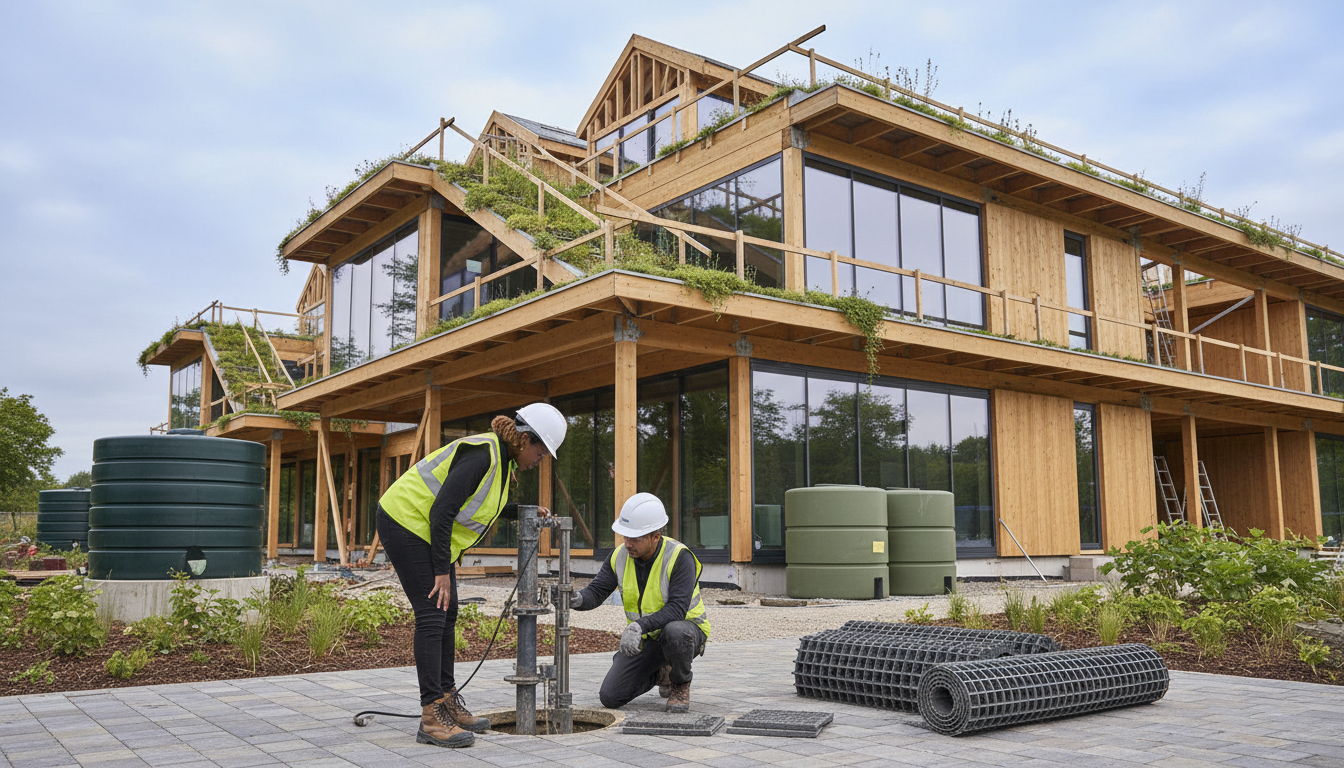
London's commitment to becoming a greener city is evident in its ambitious environmental targets. Eco-friendly construction plays a pivotal role in achieving these goals by minimizing waste, reducing energy consumption, and promoting healthier living spaces. As the city continues to grow, integrating sustainable practices in construction is essential to preserve its unique environment and enhance the quality of life for its residents.
Key Benefits of Sustainable Building Practices
Adopting eco-friendly construction methods offers numerous benefits:
- Environmental Impact: Reduced greenhouse gas emissions and less resource depletion.
- Economic Savings: Lower energy and water bills through efficient building designs.
- Healthier Living Spaces: Improved indoor air quality and natural lighting.
How to Achieve Eco-Friendly Construction
Achieving sustainability in construction involves several strategies. From the use of sustainable materials to energy-efficient designs, each step is crucial in creating eco-friendly buildings. Here's how construction companies in London can embrace these practices effectively.
Using Sustainable Materials
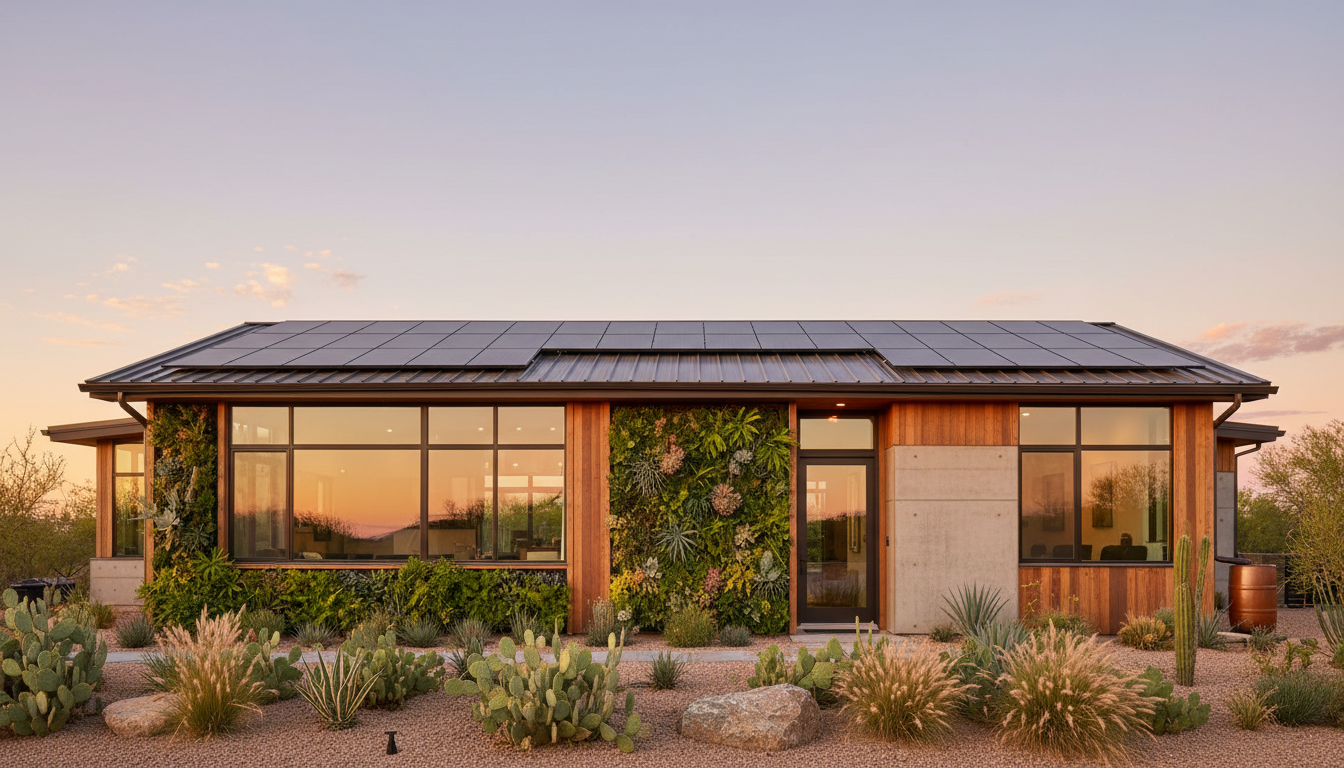
One of the most impactful ways to ensure eco-friendly construction is by using sustainable materials. These include recycled steel, bamboo, and reclaimed wood. Not only do these materials help reduce environmental impact, but they also contribute to the longevity and durability of the structures.
Incorporating Energy-Efficient Designs
Energy efficiency is a cornerstone of sustainable construction. By incorporating features such as solar panels, green roofs, and high-performance insulation, buildings can significantly reduce their energy needs. These designs not only lower operational costs but also align with London’s environmental goals.
Implementing Water Conservation Techniques
Water conservation is another critical aspect of eco-friendly construction. Techniques such as rainwater harvesting, greywater recycling, and the use of low-flow fixtures can drastically reduce water consumption. This is especially important in a city like London, where water resources are increasingly under pressure.
Conclusion: Building a Sustainable Future
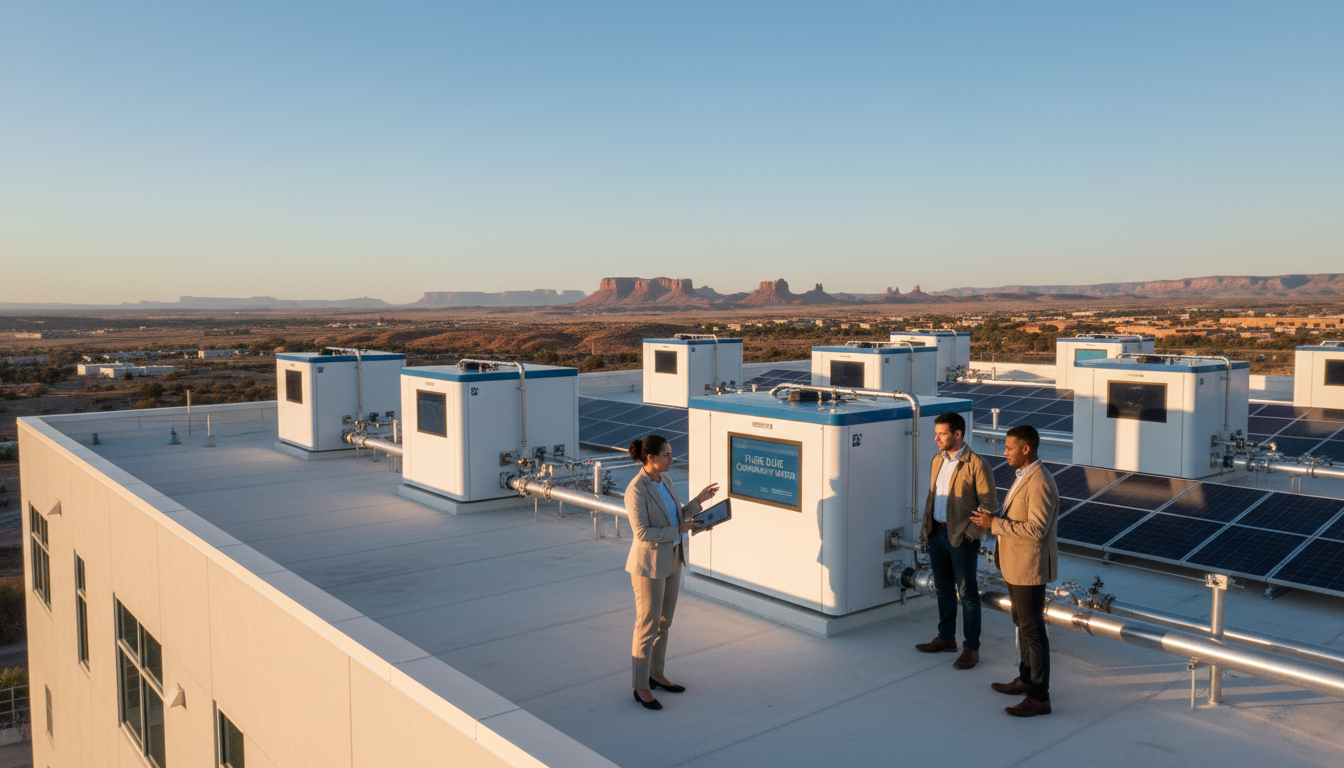
Eco-friendly construction is not just an option but a necessity for London as the city aims to build a sustainable future. By embracing sustainable practices, construction companies can contribute significantly to environmental preservation while also reaping economic benefits. As the world moves towards a greener tomorrow, London is poised to lead by example in the realm of sustainable urban development.