
Eco-Friendly Construction in London: A Guide to Sustainable Building Practices


In recent years, the demand for eco-friendly construction has surged in London, as both builders and homeowners recognize the importance of sustainable building practices. With the city's commitment to reducing its carbon footprint, embracing green construction methods is not just a trend but a necessity.
Understanding Eco-Friendly Construction
Eco-friendly construction involves using sustainable materials and practices that minimize environmental impact. This approach focuses on energy efficiency, reducing waste, and conserving natural resources. By incorporating green building techniques, developers can create structures that are both environmentally responsible and economically beneficial.
Sustainable Building Materials
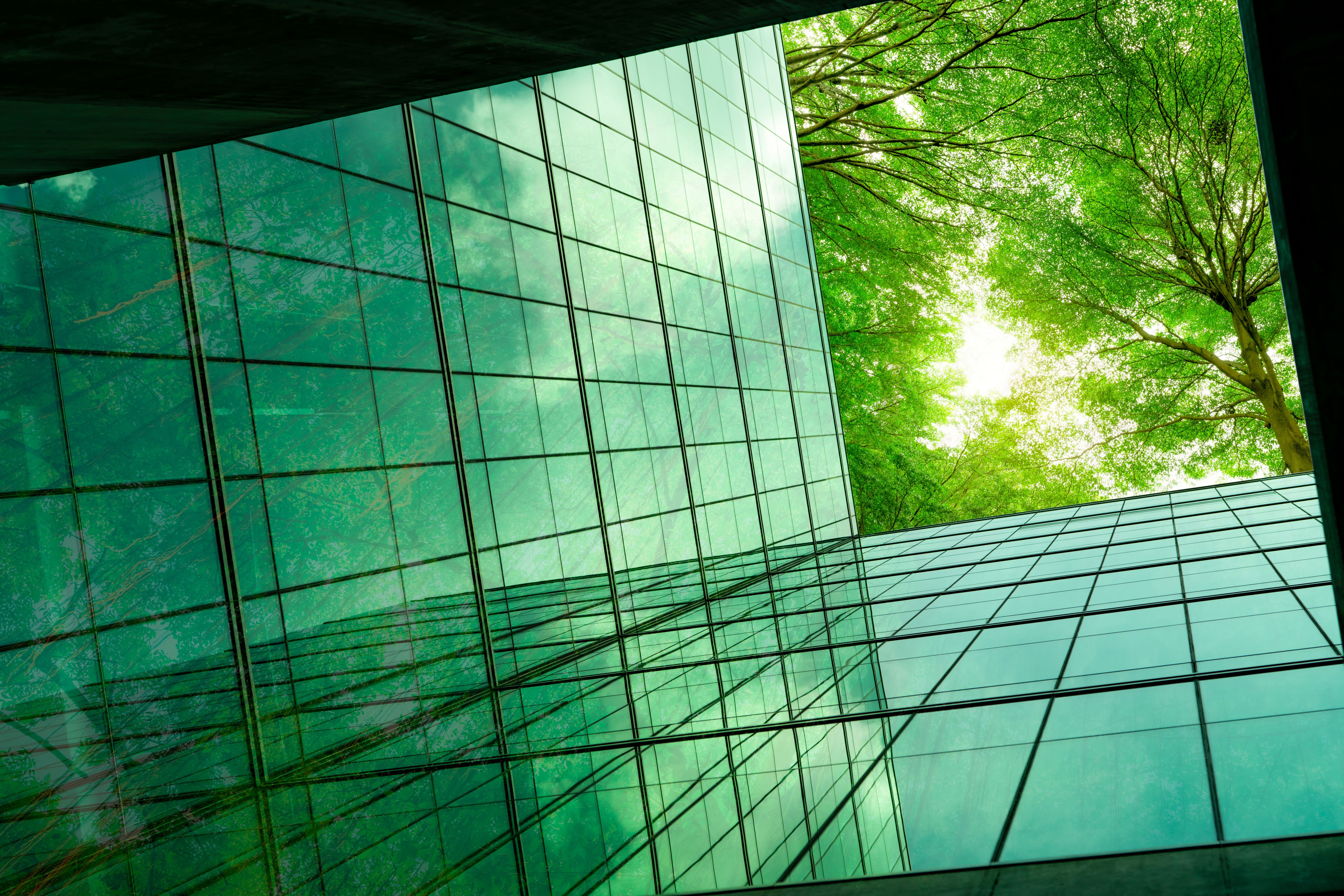
One of the cornerstones of eco-friendly construction is the use of sustainable building materials. These materials are often recycled, renewable, or sourced locally to reduce transportation emissions. Some popular choices include:
- Bamboo: Known for its rapid growth and strength, bamboo is an excellent alternative to traditional timber.
- Recycled Steel: Utilizing recycled steel reduces energy consumption and waste in production.
- Reclaimed Wood: This provides a rustic aesthetic while minimizing deforestation.
Energy Efficiency in Buildings
Energy efficiency is a key component of sustainable construction. By implementing energy-saving technologies, buildings can significantly reduce their carbon footprint. Some effective strategies include:
- Insulation: High-quality insulation keeps buildings warm in winter and cool in summer, reducing the need for heating and cooling.
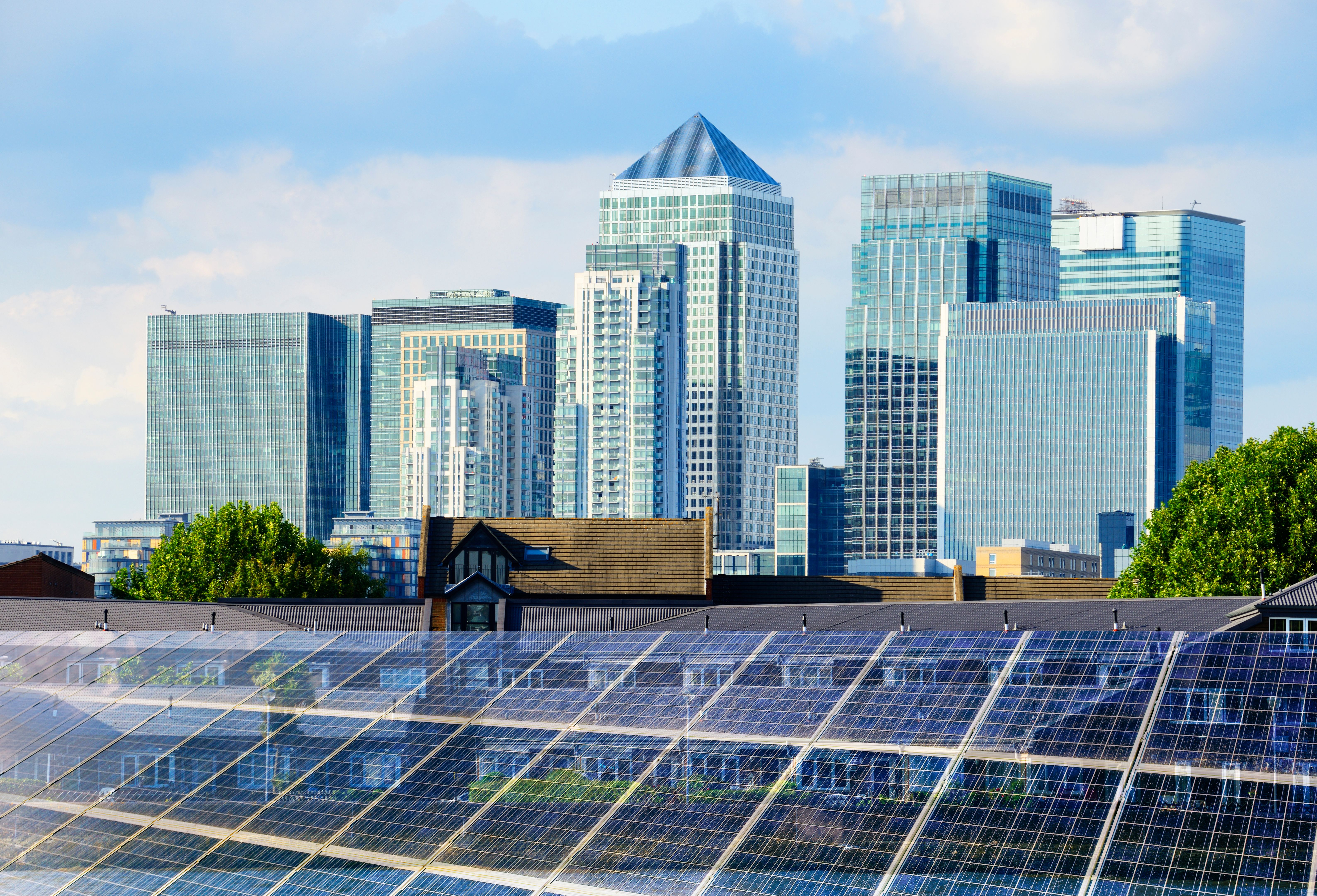
- Solar Panels: Harnessing solar energy can provide a renewable power source for homes and businesses.
- LED Lighting: LED bulbs are more efficient and last longer than traditional lighting options.
Water Conservation Techniques
Water conservation is another critical aspect of sustainable building. Techniques such as rainwater harvesting, greywater recycling, and low-flow fixtures can drastically reduce water usage. Implementing these practices not only conserves water but also lowers utility bills, making them economically attractive.
Green Roofs and Urban Biodiversity
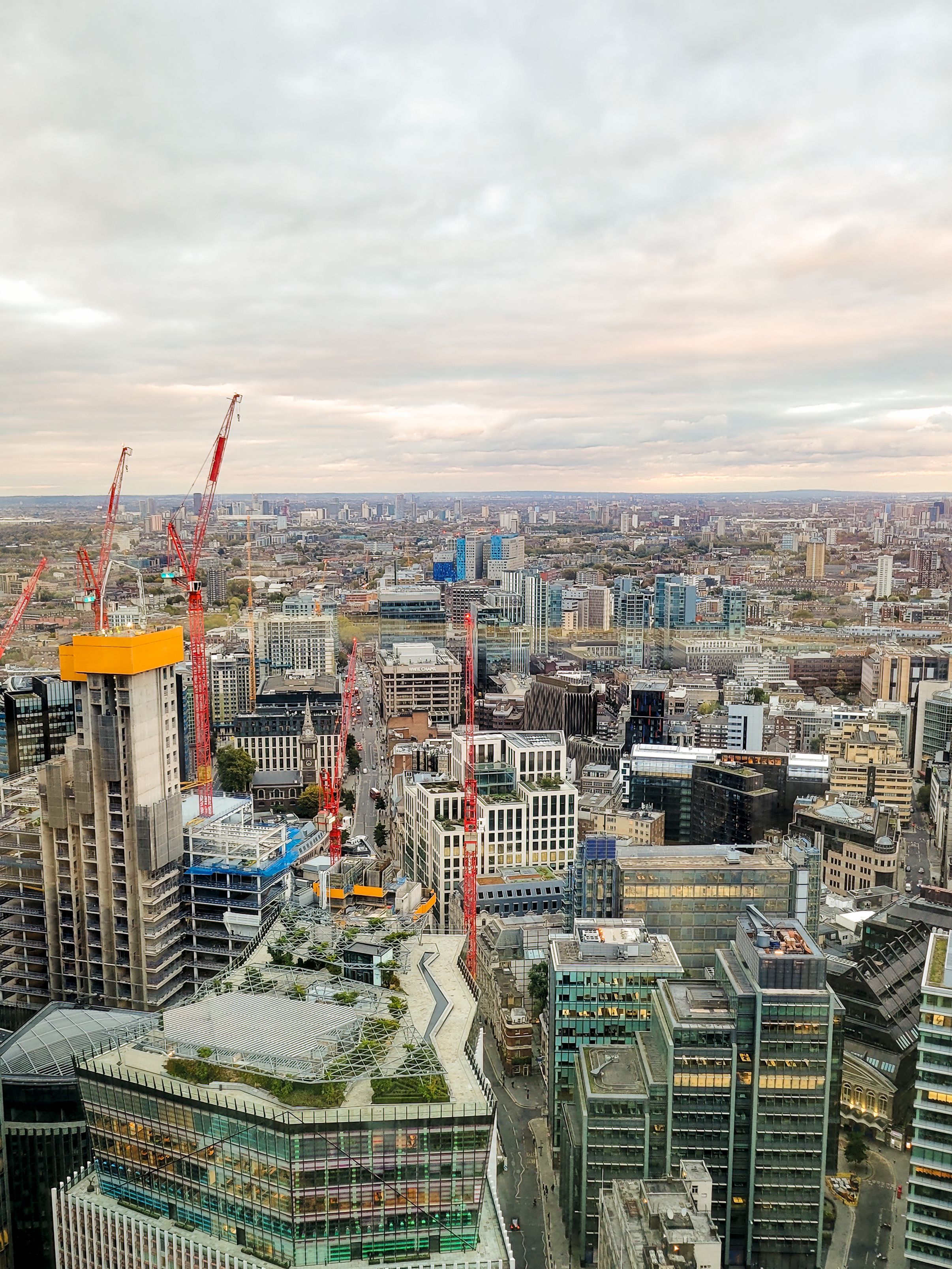
Green roofs have become increasingly popular in London, providing a habitat for urban wildlife and improving air quality. These roofs are covered with vegetation, which helps regulate building temperatures and reduce rainwater runoff. Additionally, they contribute to urban biodiversity by supporting insects and birds.
Regulations and Certifications
In London, there are various regulations and certifications that guide eco-friendly construction. The BREEAM (Building Research Establishment Environmental Assessment Method) is a leading sustainability assessment method for buildings. Achieving BREEAM certification demonstrates a commitment to environmentally friendly building practices.
The Future of Eco-Friendly Construction
The future of construction in London is undeniably green. As technology advances, new methods and materials will continue to emerge, making sustainable building practices more accessible and efficient. Builders and homeowners alike are encouraged to stay informed and embrace these eco-friendly innovations.